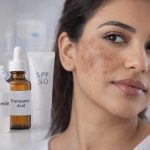
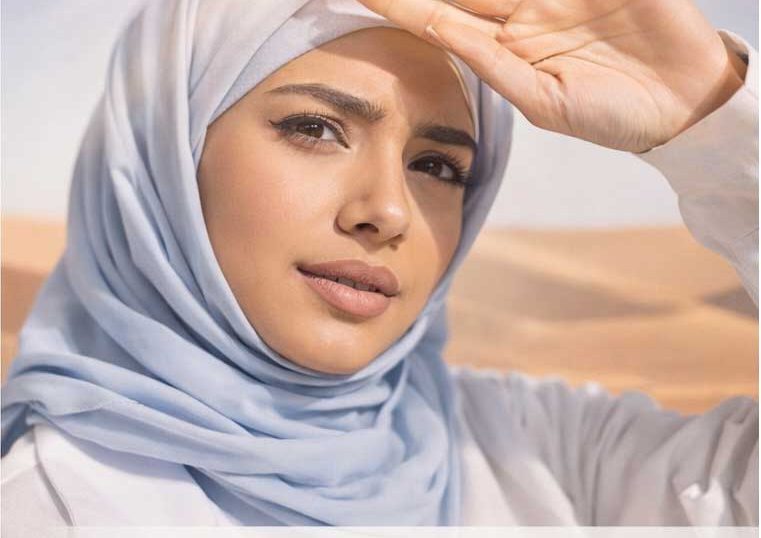
The Middle East climate damages skin mainly through UV radiation, dehydration, and heat-induced pigmentation, which is why skincare must focus on sun protection, hydration, and barrier repair.
Why Middle East Weather Is Harsh on Skin
The Middle East has:
- UV Index: 8–11 (Very High to Extreme)
- Humidity: Low in desert regions
- Temperature: Often 40°C+
- Indoor AC: Causes rapid moisture loss
Research shows skin loses up to 25% more moisture in low-humidity environments.
This leads to:
- Dehydration
- Fine lines
- Pigmentation
- Skin barrier damage
For ingredient solutions, read:
→ Internal Link: Best Ingredients for Middle Eastern Skin
How UV Radiation Causes Pigmentation
UV exposure increases melanin production, which causes:
- Dark spots
- Uneven skin tone
- Melasma
This is why sunscreen is not optional in the Middle East.
Dermatologists recommend SPF 50 Zinc Oxide sunscreen for high UV regions.
Skincare Routine for Hot Climate Countries
| Step | Product Type | Purpose |
|---|---|---|
| Morning | Gentle Cleanser | Remove sweat & oil |
| Morning | Niacinamide Serum | Pigmentation control |
| Morning | Moisturizer | Hydration |
| Morning | Sunscreen SPF 50 | UV protection |
| Night | Cleanser | Remove sunscreen |
| Night | Tranexamic Acid | Pigmentation treatment |
| Night | Ceramide Moisturizer | Barrier repair |
How Do You Protect Skin in Desert Climate?
You need:
- Sunscreen
- Hydrating serum
- Barrier repair moisturizer
- Anti-pigmentation ingredients
This is exactly why data-driven skincare formulations are becoming popular, because climate affects skin as much as genetics.
Read full research here:
Data-Driven Skincare for Middle Eastern Skin