
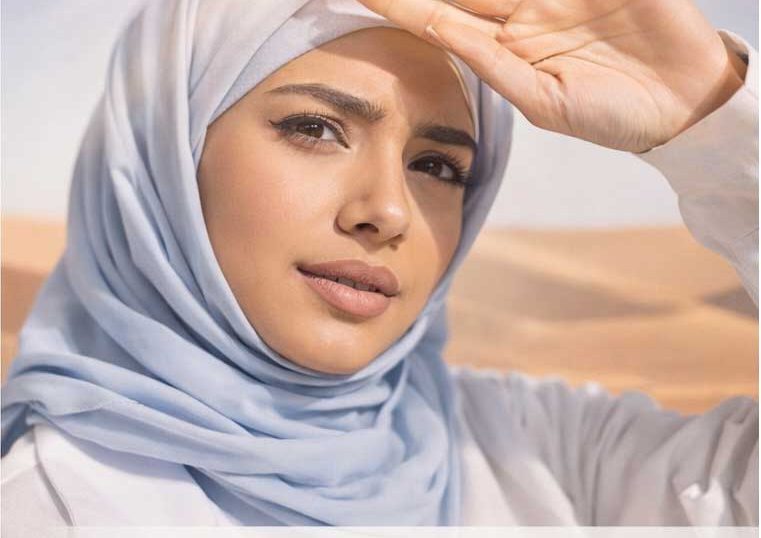
Middle East climate effects on skin are becoming a major concern due to extreme heat, strong UV exposure, and dry desert air. The Middle East climate damages skin mainly through UV radiation, dehydration, and heat-induced pigmentation, which is why skincare must focus on sun protection, hydration, and barrier repair. Understanding Middle East climate effects on skin helps you choose the right skincare routine
Why Middle East Weather Is Harsh on Skin
The Middle East has:
- UV Index: 8–11 (Very High to Extreme)
- Humidity: Low in desert regions
- Temperature: Often 40°C+
- Indoor AC: Causes rapid moisture loss
Research shows skin loses up to 25% more moisture in low-humidity environments.
This leads to:
- Dehydration
- Fine lines
- Pigmentation
- Skin barrier damage
For ingredient solutions, read:
→ Internal Link: Best Ingredients for Middle Eastern Skin
How UV Radiation Causes Pigmentation
UV exposure increases melanin production, which causes:
- Dark spots
- Uneven skin tone
- Melasma
This is why sunscreen is not optional in the Middle East.
Dermatologists recommend SPF 50 Zinc Oxide sunscreen for high UV regions.
Skincare Routine for Hot Climate Countries
| Step | Product Type | Purpose |
|---|---|---|
| Morning | Gentle Cleanser | Remove sweat & oil |
| Morning | Niacinamide Serum | Pigmentation control |
| Morning | Moisturizer | Hydration |
| Morning | Sunscreen SPF 50 | UV protection |
| Night | Cleanser | Remove sunscreen |
| Night | Tranexamic Acid | Pigmentation treatment |
| Night | Ceramide Moisturizer | Barrier repair |
How Do You Protect Skin in Desert Climate?
You need:
- Sunscreen
- Hydrating serum
- Barrier repair moisturizer
- Anti-pigmentation ingredients
This is exactly why data-driven skincare formulations are becoming popular, because climate affects skin as much as genetics.
Read full research here:
Data-Driven Skincare for Middle Eastern Skin
1. How does the Middle East climate affect your skin?
The Middle East climate affects your skin mainly due to extreme heat, strong UV radiation, low humidity in desert areas, and high humidity in coastal regions. These conditions can lead to dehydration, excessive oil production, clogged pores, sunburn, and premature aging. Prolonged exposure to sun and dry air can weaken the skin barrier, making it more sensitive and prone to irritation. That is why understanding how Middle East climate affects your skin is essential for maintaining healthy skin.
2. What are the most common skin problems caused by desert climate?
Desert climates like those in UAE and Saudi Arabia can cause several skin issues, including dryness, flakiness, sunburn, pigmentation, and early signs of aging. The hot winds and dust can also clog pores, leading to acne and breakouts. In addition, constant exposure to sunlight can damage collagen, resulting in wrinkles and uneven skin tone. These problems highlight how harsh environmental conditions directly impact skin health.
3. Why does my skin become oily in hot climates like UAE?
In hot climates, your skin produces more oil (sebum) to protect itself from dehydration. This is why people living in the Middle East often experience oily skin, clogged pores, and acne. Sweat combined with dust and pollution can worsen the situation, making proper cleansing and lightweight skincare products essential for maintaining balance.
4. How can I protect my skin from UV damage in the Middle East?
To protect your skin from UV damage, you should use a broad-spectrum sunscreen with SPF 30 or higher every day. Reapply every 2–3 hours when outdoors. Wearing protective clothing, sunglasses, and avoiding direct sunlight during peak hours (10 AM–4 PM) can also help. Incorporating antioxidants like Vitamin C in your skincare routine further protects against sun damage.
5. What skincare routine is best for Middle East weather?
A proper skincare routine for Middle East weather should include gentle cleansing, hydration, sun protection, and lightweight moisturization. Use a mild cleanser to remove sweat and dust, followed by a hydrating serum with ingredients like hyaluronic acid. Always apply sunscreen during the day and use a nourishing moisturizer at night to repair the skin barrier.
6. Does humidity in coastal areas affect skin differently?
Yes, humidity in coastal areas like Dubai can affect skin differently compared to dry desert regions. High humidity can increase sweating and oil production, leading to acne and clogged pores. In such environments, it is better to use oil-free, non-comedogenic products and lightweight formulas that do not block pores.
7. Which ingredients are best for protecting skin in hot climates?
Ingredients like hyaluronic acid, aloe vera, niacinamide, and Vitamin C are highly effective for hot climates. These ingredients help hydrate the skin, control oil production, reduce inflammation, and protect against environmental damage. Sunscreen ingredients like zinc oxide and titanium dioxide are also essential for UV protection.
8. Can Middle East climate cause premature aging?
Yes, constant exposure to strong sunlight and UV rays can break down collagen and elastin in the skin, leading to premature aging. This results in wrinkles, fine lines, and uneven skin tone. Without proper sun protection, the aging process can accelerate significantly in such climates.
9. How often should I moisturize my skin in a hot climate?
Even in hot climates, moisturizing is essential. You should moisturize at least twice a day using a lightweight, non-greasy moisturizer. This helps maintain hydration without clogging pores. Skipping moisturizer can actually make your skin produce more oil, worsening skin problems.
10. What lifestyle habits can improve skin health in the Middle East?
Maintaining healthy skin in the Middle East requires a combination of good skincare and lifestyle habits. Drinking plenty of water, eating a balanced diet rich in antioxidants, avoiding excessive sun exposure, and following a consistent skincare routine can significantly improve skin health. Regular cleansing and sunscreen use are especially important.