
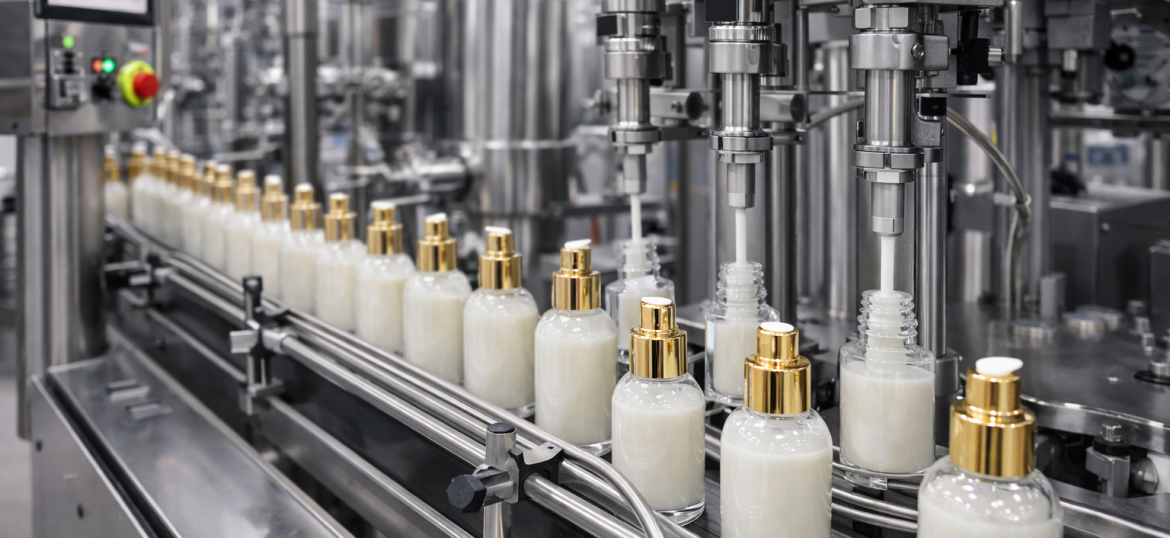
GMP and ISO certification in cosmetics play a critical role in ensuring product safety, manufacturing quality, and consumer confidence in the beauty industry. As skincare and cosmetic products directly interact with the skin, customers expect brands to maintain strict manufacturing standards.
By adopting GMP and ISO certification in cosmetics, manufacturers demonstrate that their products are developed, tested, and produced under internationally recognized safety and quality guidelines.
For skincare brands looking to build trust and credibility, certified manufacturing processes are no longer optional—they are essential.
What is GMP Certification in Cosmetics?
Good Manufacturing Practice (GMP) refers to a set of guidelines that ensure cosmetic products are consistently produced and controlled according to quality standards.
GMP certification ensures:
-
Clean and hygienic manufacturing environments
-
Proper documentation and traceability
-
Controlled ingredient sourcing
-
Quality assurance during production
In cosmetics manufacturing, GMP helps prevent contamination, ingredient errors, and product defects.
What is ISO Certification in Cosmetic Manufacturing?
ISO certification refers to international standards developed by the ISO
In the cosmetics industry, common ISO standards include:
-
ISO 22716 – Cosmetic Good Manufacturing Practices
-
ISO 9001 – Quality Management Systems
-
ISO 14001 – Environmental Management Systems
ISO certifications ensure that manufacturers maintain consistent processes, product quality, and regulatory compliance.
7 Powerful Benefits of GMP and ISO Certification in Cosmetics
1. Ensures Product Safety
One of the biggest advantages of GMP and ISO certification in cosmetics is improved product safety.
Strict hygiene protocols, quality testing, and controlled production environments reduce the risk of contamination and harmful ingredients.
2. Builds Consumer Trust
Modern consumers are increasingly aware of manufacturing standards.
Brands that highlight GMP and ISO certification in cosmetics often gain higher credibility because customers feel confident about product safety and quality.
3. Maintains Consistent Product Quality
Certified manufacturing facilities follow documented procedures for every stage of production.
This ensures that every batch of product maintains the same quality and effectiveness.
4. Meets International Regulatory Standards
Many countries require cosmetic manufacturers to follow GMP guidelines before products can be sold in their markets.
By maintaining GMP and ISO certification in cosmetics, brands can easily expand into global markets.
5. Reduces Manufacturing Errors
Standardized procedures minimize human error during ingredient handling, formulation, and packaging.
This leads to fewer product recalls and higher production efficiency.
6. Strengthens Brand Reputation
Consumers trust brands that prioritize safety and quality.
Displaying GMP and ISO certification in cosmetics on product packaging and websites increases brand authority.
7. Supports Long-Term Business Growth
Certified manufacturing systems improve operational efficiency and quality management.
This allows cosmetic brands to scale production without compromising safety or quality.
How Certifications Build Consumer Trust
Trust is one of the most important factors in the skincare and cosmetics industry.
Customers often check:
-
ingredient safety
-
product certifications
-
brand transparency
When brands communicate their GMP and ISO certification in cosmetics, it signals professionalism and commitment to quality.
This transparency encourages customers to choose certified brands over generic alternatives.
GMP vs ISO: Key Differences
| Feature | GMP Certification | ISO Certification |
|---|---|---|
| Focus | Manufacturing practices | Quality management systems |
| Industry use | Cosmetics, pharmaceuticals | All industries |
| Objective | Safe product production | Process efficiency and quality |
| Example standard | ISO 22716 | ISO 9001 |
Although different, both certifications complement each other in cosmetic manufacturing.
How Cosmetic Brands Obtain GMP and ISO Certification

Obtaining GMP and ISO certification in cosmetics involves several steps:
Step 1: Implement Quality Management Systems
Manufacturers must establish standardized processes and documentation.
Step 2: Staff Training
Employees must be trained on hygiene, safety procedures, and manufacturing protocols.
Step 3: Facility Inspection
Independent auditors inspect the manufacturing facility.
Step 4: Certification Approval
Once standards are met, the organization grants certification.
Conclusion
In today’s competitive beauty industry, GMP and ISO certification in cosmetics are essential for ensuring product safety, regulatory compliance, and consumer trust.
Brands that prioritize certified manufacturing processes demonstrate their commitment to quality and transparency.
For skincare businesses aiming to build long-term credibility and customer loyalty, investing in GMP and ISO certification in cosmetics is a strategic step toward sustainable growth.