
Organic Cosmetic

Blog

anti-aging skincare products

Anti-Aging Cosmetics Manufacturing: The Complete Guide to Science, Innovation & Market Success

The anti-aging cosmetics market represents one of the fastest-growing segments in the beauty industry, driven by an aging population, advanced scientific understanding of skin biology, and consumer demand for effective anti-aging solutions. At NutriGlow Private Label, we specialize in developing sophisticated anti-aging formulations that combine cutting-edge science with proven results for the global anti-aging skincare market.

The Growing Anti-Aging Skincare Market: Statistics & Opportunities

Global Anti-Aging Cosmetics Market Size and Projections

The global anti-aging cosmetics manufacturing industry has reached unprecedented heights:

  • Current Market Value: $58.5 billion in 2023
  • Projected Growth: Expected to reach $93.2 billion by 2027
  • Annual Growth Rate: 12.3% CAGR over the forecast period
  • Key Demographics: Women 35-65 driving 78% of purchases
  • Anti-Aging Skincare Consumer Demographics and Behavior

    Primary Anti-Aging Consumer Segments:

  • Early Prevention (25-35): Focus on prevention and maintenance
  • Active Treatment (35-50): Targeting first signs of aging
  • Intensive Care (50+): Addressing advanced aging concerns
  • Male Market (All Ages): Growing segment with 23% annual growth
  • Purchase Drivers:

  • Visible results within 4-8 weeks
  • Scientific backing and clinical studies
  • Premium ingredients and formulations
  • Brand reputation and recommendations
  • Multi-functional benefits
  • Understanding Skin Aging Biology for Cosmetic Formulation

    Intrinsic Aging Factors in Skincare Science

    Natural aging processes that affect skin appearance and anti-aging product development:

    Cellular Changes:

  • Decreased collagen production (1% annual decline after age 30)
  • Reduced elastin synthesis
  • Slower cell turnover rates
  • Diminished hyaluronic acid production
  • Weakened skin barrier function
  • Hormonal Influences:

  • Estrogen decline during menopause
  • Testosterone changes affecting skin thickness
  • Growth hormone reduction
  • Thyroid function variations
  • Extrinsic Aging Factors in Anti-Aging Skincare

    Environmental and lifestyle factors that accelerate aging and drive anti-aging cosmetics demand:

    UV Radiation:

  • UVA penetrates deeper, causing structural damage
  • UVB causes surface damage and inflammation
  • Responsible for 80% of visible facial aging
  • Cumulative damage over lifetime
  • Environmental Stressors:

  • Air pollution and free radical exposure
  • Blue light from digital devices
  • Climate factors (wind, cold, humidity)
  • Lifestyle factors (smoking, poor diet, stress)
  • Key Anti-Aging Ingredients and Cosmetic Formulation Mechanisms

    Retinoids and Vitamin A Derivatives: The Gold Standard in Anti-Aging

    The gold standard in anti-aging skincare manufacturing and cosmetic formulation:

    Retinol:

  • Stimulates cellular turnover
  • Increases collagen production
  • Reduces fine lines and wrinkles
  • Improves skin texture and tone
  • Concentration range: 0.25-1.0%
  • Retinyl Palmitate:

  • Gentler alternative to retinol
  • Suitable for sensitive skin
  • Antioxidant properties
  • Stable in formulations
  • Concentration range: 0.5-2.0%
  • Retinaldehyde:

  • Direct precursor to retinoic acid
  • Faster conversion than retinol
  • Less irritating than prescription retinoids
  • Antimicrobial properties
  • Alpha Hydroxy Acids (AHAs) in Anti-Aging Formulations

    Chemical exfoliants that promote cell renewal in anti-aging cosmetics manufacturing:

    Glycolic Acid:

  • Smallest molecular size for deep penetration
  • Most effective for anti-aging benefits
  • Stimulates collagen synthesis
  • Concentration range: 5-15%
  • Lactic Acid:

  • Gentler than glycolic acid
  • Additional moisturizing properties
  • Suitable for sensitive skin
  • Concentration range: 5-12%
  • Mandelic Acid:

  • Largest AHA molecule
  • Gentlest option for beginners
  • Suitable for darker skin tones
  • Concentration range: 5-10%
  • Anti-Aging Peptides and Growth Factors in Skincare

    Targeted proteins that signal skin repair in advanced anti-aging formulations:

    Signal Peptides:

  • Stimulate collagen and elastin production
  • Examples: Palmitoyl pentapeptide-4, Matrixyl 3000
  • Clinical studies show significant wrinkle reduction
  • Concentration range: 2-8%
  • Carrier Peptides:

  • Deliver essential minerals for enzyme function
  • Copper peptides most extensively studied
  • Promote wound healing and antioxidant activity
  • Support natural repair processes
  • Neurotransmitter Peptides:

  • Reduce muscle contractions causing expression lines
  • Acetyl hexapeptide-8 (Argireline) most popular
  • Topical alternative to botulinum toxin
  • Results visible within 4-6 weeks
  • Antioxidants and Protection in Anti-Aging Cosmetics

    Ingredients that neutralize free radical damage in anti-aging skincare products:

    Vitamin C (L-Ascorbic Acid):

  • Potent antioxidant and collagen booster
  • Brightens skin and reduces dark spots
  • Requires careful formulation for stability
  • Concentration range: 10-20%
  • Vitamin E (Tocopherol):

  • Synergistic with Vitamin C
  • Membrane antioxidant protection
  • Improves formulation stability
  • Concentration range: 0.5-2%
  • Niacinamide (Vitamin B3):

  • Improves skin barrier function
  • Reduces inflammation and redness
  • Minimizes pore appearance
  • Concentration range: 2-10%
  • Moisturizing and Barrier Repair

    Ingredients that restore and maintain skin hydration:

    Hyaluronic Acid:

  • Holds 1000x its weight in water
  • Multiple molecular weights for different penetration
  • Immediate plumping effect
  • Concentration range: 0.5-2%
  • Ceramides:

  • Essential lipids for barrier function
  • Reduce transepidermal water loss
  • Improve skin texture and comfort
  • Multiple types for comprehensive barrier repair
  • Advanced Anti-Aging Technologies in Cosmetic Manufacturing

    Delivery Systems for Enhanced Anti-Aging Efficacy

    Enhanced penetration and efficacy in anti-aging cosmetics:

    Liposomal Encapsulation:

  • Protects sensitive ingredients
  • Improves skin penetration
  • Sustained release delivery
  • Reduces irritation potential
  • Microencapsulation:

  • Time-release active delivery
  • Ingredient stabilization
  • Targeted skin layer delivery
  • Enhanced bioavailability
  • Nanotechnology:

  • Ultra-small particle size
  • Deep skin penetration
  • Improved ingredient stability
  • Enhanced efficacy at lower concentrations
  • Biomimetic Ingredients

    Laboratory-created ingredients that mimic natural skin functions:

    Synthetic Biology:

  • Lab-grown ingredients identical to natural versions
  • Consistent quality and potency
  • Sustainable production methods
  • Reduced allergenicity potential
  • Bioengineered Peptides:

  • Custom-designed for specific functions
  • Enhanced stability and efficacy
  • Reduced manufacturing costs
  • Predictable performance characteristics
  • Anti-Aging Product Categories and Formulations

    Anti-Aging Serums and Treatments: Concentrated Solutions

    Concentrated anti-aging solutions for maximum efficacy:

    Active Ingredient Serums:

  • High concentration of key actives
  • Lightweight, fast-absorbing textures
  • Layerable with other products
  • Premium pricing potential
  • Multi-Active Formulations:

  • Combination of complementary ingredients
  • Simplified routine for consumers
  • Synergistic effects for enhanced results
  • Broad-spectrum anti-aging benefits
  • Anti-Aging Moisturizers and Creams: Daily Anti-Aging Care

    Daily-use anti-aging products for consistent skincare routines:

    Day Moisturizers:

  • Lightweight, makeup-compatible formulations
  • SPF integration for sun protection
  • Antioxidant protection against environmental damage
  • Suitable for all skin types
  • Night Creams:

  • Richer, more occlusive formulations
  • Higher concentration of active ingredients
  • Repair and regeneration focus
  • Luxury texture and experience
  • Anti-Aging Eye Care Products: Specialized Formulations

    Specialized formulations for delicate eye area in anti-aging skincare:

    Eye Creams:

  • Gentle formulations for sensitive skin
  • Targeted ingredients for dark circles and puffiness
  • Fragrance-free formulations
  • Specialized delivery systems
  • Eye Serums:

  • Lightweight alternatives to creams
  • Higher active ingredient concentrations
  • Fast absorption and layering capability
  • Treatment-focused benefits
  • Clinical Testing and Efficacy Validation for Anti-Aging Products

    In-Vivo Studies for Anti-Aging Cosmetics

    Human clinical trials for anti-aging product validation:

    Efficacy Testing:

  • Before and after photography
  • Instrumental measurements (skin hydration, elasticity)
  • Consumer perception studies
  • Statistical significance requirements
  • Safety Testing:

  • Patch testing for sensitization
  • Irritation and compatibility studies
  • Ophthalmologist testing for eye products
  • Dermatologist oversight and approval
  • Consumer Studies

    Real-world testing for market validation:

    Home Use Tests:

  • 4-12 week consumer trials
  • Self-assessment questionnaires
  • Product satisfaction metrics
  • Repurchase intention measurement
  • Claim Substantiation:

  • Scientific backing for marketing claims
  • Statistical significance requirements
  • Regulatory compliance considerations
  • Competitive differentiation support
  • Anti-Aging Cosmetics Market Positioning Strategies

    Premium Anti-Aging Skincare Positioning

    High-end positioning for superior anti-aging performance:

    Key Elements:

  • Clinically proven ingredients
  • Luxury packaging and experience
  • Scientific storytelling and education
  • Dermatologist recommendations
  • Price Points:

  • Serums: $80-200 per ounce
  • Moisturizers: $60-150 per ounce
  • Eye products: $100-300 per ounce
  • Mass Market Anti-Aging Opportunities

    Accessible anti-aging solutions for broader consumer markets:

    Strategy Considerations:

  • Cost-effective ingredient selections
  • Simplified formulations
  • Clear benefit communication
  • Value-focused positioning
  • Price Points:

  • Serums: $15-40 per ounce
  • Moisturizers: $10-30 per ounce
  • Eye products: $15-35 per ounce
  • Anti-Aging Cosmetics Regulatory Considerations

    Claims and Substantiation for Anti-Aging Products

    Anti-aging claims must be carefully crafted for regulatory compliance:

    Acceptable Claims:

  • “Reduces the appearance of fine lines”
  • “Improves skin texture and firmness”
  • “Supports natural collagen production”
  • “Provides antioxidant protection”
  • Prohibited Claims:

  • Any drug-like claims
  • Permanent change claims
  • Comparison to medical procedures
  • Unsubstantiated time-specific claims
  • International Regulations

    Different markets have varying requirements:

    European Union:

  • Cosmetic Product Regulation (CPR)
  • Restricted ingredient lists
  • Safety assessor requirements
  • Notification procedures
  • Other Markets:

  • Health Canada cosmetic regulations
  • Japanese Pharmaceutical and Food Safety Bureau
  • ASEAN cosmetic directive
  • Country-specific requirements
  • Future Trends and Opportunities in Anti-Aging

    Personalized Anti-Aging Skincare Solutions

    Customization based on individual anti-aging needs:

    Genetic Testing:

  • DNA analysis for aging predisposition
  • Customized ingredient recommendations
  • Personalized routine development
  • Premium service positioning
  • AI-Powered Analysis:

  • Smartphone skin analysis
  • Progress tracking and recommendations
  • Real-time formulation adjustments
  • Data-driven product optimization
  • Sustainable Anti-Aging Cosmetics Development

    Environmental consciousness in premium anti-aging beauty:

    Eco-Friendly Formulations:

  • Biodegradable active ingredients
  • Sustainable packaging solutions
  • Carbon-neutral manufacturing
  • Circular economy principles
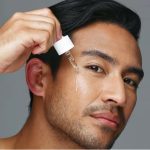
  • Men’s Anti-Aging Skincare Market Growth

    Growing opportunities in male anti-aging grooming:

    Market Characteristics:

  • Simplified, effective formulations
  • Masculine packaging and branding
  • Focus on prevention and maintenance
  • Integration with existing grooming routines
  • Private Label Anti-Aging Manufacturing Advantages

    Cost-Effective Anti-Aging Innovation

    Access advanced anti-aging formulations without massive R&D investment:

    Benefits:

  • Proven formulations with clinical backing
  • Established supply chains for premium ingredients
  • Regulatory compliance expertise
  • Quality assurance and testing protocols
  • Speed to Market for Anti-Aging Products

    Launch anti-aging products quickly with private label manufacturing:

    Timeline Advantages:

  • 4-8 week development to production
  • Pre-tested formulations available
  • Established manufacturing processes
  • Quality control systems in place
  • NutriGlow Private Label Anti-Aging Expertise

    Our Anti-Aging Skincare Specializations:

  • Advanced peptide formulations
  • Retinoid stability expertise
  • Multi-active combination products
  • Clinical testing coordination
  • Premium packaging solutions
  • Building Your Anti-Aging Brand: Product Development Strategy

    Anti-Aging Product Line Strategy

    Develop comprehensive anti-aging solutions for your target market:

    Recommended Portfolio:

  • Entry-level prevention products
  • Mid-tier active treatment products
  • Premium intensive care solutions
  • Specialized eye and neck products
  • Anti-Aging Marketing and Education Strategies

    Effective communication strategies for anti-aging cosmetics:

    Content Marketing:

  • Educational content about aging science
  • Ingredient spotlights and benefits
  • Before-and-after customer testimonials
  • Expert dermatologist partnerships
  • Digital Strategy:

  • Social media education campaigns
  • Influencer partnerships with mature audiences
  • Email marketing for customer retention
  • E-commerce optimization for conversion
  • Conclusion: Anti-Aging Cosmetics Manufacturing Success

    The anti-aging cosmetics market offers tremendous opportunities for brands that combine scientific innovation with effective marketing and quality execution in cosmetic manufacturing. Success requires understanding the complex biology of aging, leveraging proven anti-aging ingredients, and delivering visible results that justify premium pricing in the competitive skincare market.

    At nutriglowprivatelabel.com, we bring together advanced formulation science, quality manufacturing, and market expertise to help brands succeed in the competitive anti-aging market. Our comprehensive approach ensures your anti-aging products deliver the results consumers expect while meeting all regulatory requirements for cosmetic manufacturing.

    Ready to develop an anti-aging line that stands out in the competitive beauty market? Contact NutriGlow Private Label to explore how our expertise can help you create anti-aging products that deliver real results and build lasting customer loyalty.

    NutriGlow Private Label: Advanced anti-aging solutions backed by science and proven in the cosmetics market.
    Post a Comment

    Your email address will not be published. Required fields are marked *